Dr. Steven Brooksher, DDS
Address: 1010 South Acadian Thruway, Ste. A, Baton Rouge, LA 70806
  • Home
  • About Us
    • Meet Dr. Brooksher
    • Meet Our Team
    • Your First Visit
    • Contact Us
    • What Makes Us Different?
    • Patient Forms
    • Financial Policies
    • Pay Online
    • Request an Appointment
  • Cosmetic Dentistry
    • Cosmetic Dentistry
    • Smile Gallery
    • Porcelain Veneers
    • Dental Bonding
    • Teeth Whitening
    • Smile Makeover
    • SmileFy Smile Design
    • Porcelain Crowns
Call us: (225) 346-8625
  • Tooth Replacement
    • Dental Implants
    • Dental Implant Hybrids
    • Implant Overdentures
    • Dentures
  • Sedation
  • Other
    • Emergency Dentist
    • Metal-Free Dentist
    • Porcelain Crowns
    • TMJ Treatment
Life-changing dentistry

Complete dental care, from checkups and cleanings to complex restorative dentistry and life-changing smile makeovers.

Request an
Appointment

Do I Need to Tell an Implant Dentist About My Substance Use?

Posted on December 17, 2025 by AllSmiles.

I’ve had two consultations about dental implants. I disclosed my casual substance use to one of the doctors, and they dismissed my case. The doctor said she couldn’t do the surgery because of my substance use. I didn’t mention the drug use to the other doctor because I’m not comfortable with him. Do I need to mention it when I find a dentist for my implants? I’m afraid that no one will take my case now. Thanks. Josiah from NV

Josiah,

You need to inform your implant dentist what you use, as well as your dose and frequency. This helps the dentist determine how to handle your case and administer sedation accordingly.

Why You Need to Tell an Implant Dentist About Your Substance Use

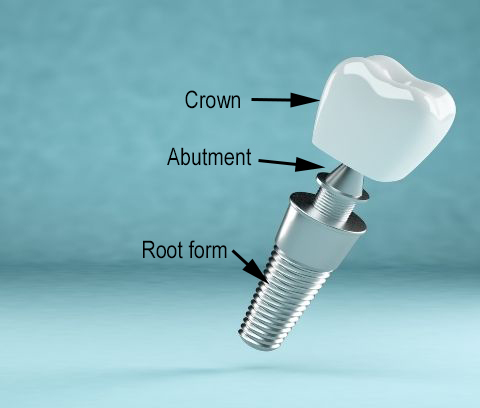
Model of a dental implant with the crown, abutment, and root form labeled

Disclose all medications and substances you take before dental implant surgery

Telling your implant dentist about your substance use allows them to adjust sedation properly, based on the amount of the drug in your system and how it may affect your response to anesthesia. Providers who routinely manage sedation view this as standard information—not an automatic dismissal of your case.

How to Find an Implant Dentist

Begin with a general dentist. Implant treatment requires thoughtful planning before surgery, even when a specialist handles the surgical placement.

When reviewing credentials, prioritize a dentist’s post-graduate training and experience in implantology. Look for these credentials:

  • Advanced implant education or certification through the International Congress of Oral Implantologists
  • Board involvement or training from the American Board of Oral Implantology

Some general dentists place implants and manage sedation themselves; others coordinate care with surgeons. Either method works when the dentist has sufficient training and experience.

Dr. Steven Brooksher, a Baton Rouge accredited cosmetic dentist, sponsors this post. Read why so many patients view Dr. Brooksher as one of the best dentists in Baton Rouge.

 

Filed Under: Sedation Dentistry Tagged With: American Board of Oral Implantology dentist, dental implants, International Congress of Oral Implantologists dentist, substance abuse dental implants, substance abuse dental sedation

Is a Root Canal Enough, or Do I have a Cyst?

Posted on February 11, 2024 by AllSmiles.

For the past two years, I’ve had swelling above my top left premolar. It’s tender but not painful. My dentist has labeled it a chronic abscess, suggesting we could either leave it or consider removal. Recently, a specialist evaluated it for a potential root canal, estimating a 70% chance of success. He mentioned the risk of an underlying cyst, which an X-ray’s dark area might indicate.

How do I choose between a root canal or extraction? I’m concerned about the possibility of a cyst affecting my health. Both professionals have mentioned a more invasive gum procedure (apicoectomy) as an option if other treatments fail, involving cutting and peeling back the gum to address the issue directly. I am anxious and already have dental anxiety, so this doesn’t help. Whose diagnosis can I trust? Thanks. Juan Carlos from El Paso


Juan Carlos,

Most dentists encounter various oral health issues, but cysts are rare.

The Rarity of Cysts in Dental Practice

In my years of service, cysts were notably absent, suggesting that, while possible, the likelihood of such complications is minimal. Some dental professionals may overstate potential risks as a precautionary measure. While there’s a slight chance of developing a cyst, addressing the infection with a root canal often resolves the issue without more invasive treatment.

An Apicoectomy or a Root Canal?

The suggestion of an apicoectomy, a significant gum surgery, seems excessive for many cases. Aggressive interventions are not always necessary. Generally, root canals have a high success rate, mainly when performed by specialists (endodontists) equipped with advanced technology. However, if root canal treatment doesn’t work, you still have the option of an apicoectomy.

Observations on Your Dentist’s Care

Palm tree on the beach, representing relaxation with sedation dentistry for routine care or a root canal

Sedation can help you relax during root canal treatment, an apicoectomy, or any dental procedure

Monitoring swelling without immediate intervention, especially for an extended period, raises concerns about your dentist’s managing the infection. Continuous exposure to bacteria from an untreated abscess can have systemic health implications.

We recommend getting a third opinion from another specialist. If you need treatment, talk to your dentist or specialist about your anxiety and whether you can benefit from dental sedation.


Baton Rouge accredited cosmetic dentist Dr. Steven Brooksher sponsors this post.

Filed Under: Sedation Dentistry Tagged With: apicoectomy, apicoectomy second opinion, apicoectomy sedation, oral cyst, oral cyst or abscess, root canal, root canal or apicoectomy, root canal second opinion, root canal sedation, sedation dentistry

Should I Skip a Root Canal If I Take ELIQUIS®?

Posted on October 27, 2023 by AllSmiles.

I saw a dentist last week for a toothache, and she suspects that I need root canal treatment for a tooth with an old filling that is loose. I completed the new patient paperwork and gave my prescription information. The dentist referred me to an endodontist and told me she would transfer my records to remind the dentist that I take Eliquis. She said the procedure should go smoothly, but I shouldn’t take any chances. Now, I am more nervous than usual. I always need sedation before a procedure. Is there any way we can replace the filling and skip the root canal? – Thanks. Kandace from Lansing, MI

Kandace,

We understand your concerns. Dentists and other healthcare professionals ask for your medical and prescription history to provide safe, efficient care.

Should You Skip a Root Canal If You Take ELIQUIS®?

You should not skip a root canal if you take ELIQUIS® or other anticoagulant medication. Without root canal treatment, the tooth infection will thrive, potentially affecting your gums, jawbone, other teeth, and overall health. The American Dental Association confirms that, in most cases, patients do not need to discontinue anticoagulant or antiplatelet medication. However, patients with high bleeding risk should consult their medical doctor for advice.

How Can Eliquis® and Other Blood Thinners Affect Dental Procedures?

Eliquis® and other blood thinners can affect the blood clotting process. Consider how:

The blood clotting process has two phases

  • Platelet bonding – These small red blood cells stick together and adhere to blood vessels to slow blood flow.
  • Coagulation – Protein chemicals in the blood interact, fill in the gaps between the clumps of platelets, and form a solid clot to help the bleeding process stop.

The purpose of antiplatelet and anticoagulant medication

  • Antiplatelet agents – These agents prevent the first phase—platelet bonding.
  • Anticoagulant agents – These agents prevent the second phase—the formation of protein chemicals that give the clumps of platelets a stronger bond.

How Can Antiplatelets or Anticoagulants Affect Dental Procedures?

Many dental procedures can produce bleeding. However, bleeding is usually minimal, even when patients take antiplatelet or anticoagulant medication. Your dentist or oral surgeon will consider the risks of performing a particular procedure while the medicine is in your bloodstream versus when you have not taken the medication.

Some dental procedures that can cause bleeding are:

  • Biopsies
  • Dental implant placement
  • Periodontal (gum surgery)
  • Regular and deep dental cleaning
  • Tooth extraction

Each patient’s case is unique. In some cases, discontinuing the medication is very dangerous. You should not automatically stop taking ELOQUIS® or other anticoagulants before a dental procedure without your doctor’s approval. Continually update your dentist and medical doctor with any medication changes.

Medication Precautions Before a Dental Procedure

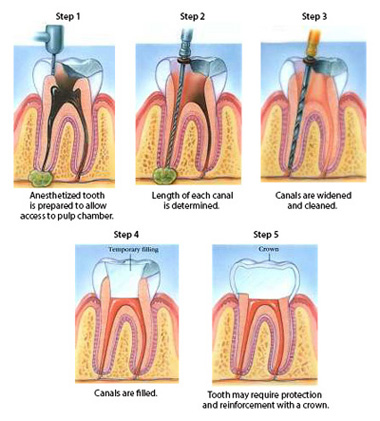
Diagram of root canal treatment instead of a dental implant - from Baton Rouge denitst Steven Brooksher, DDS

Inform your root canal specialist or dentist about medications or supplements you take

Your dentist or endodontist will take precautions to minimize bleeding and give you aftercare instructions to help prevent excessive bleeding. Follow the instructions closely. For example, after surgical treatment, you will be advised to avoid smoking, drinking from a straw, spitting, and rinsing your mouth for at least the first 24 hours. Sharp, sticky, and hard foods should be avoided because they can aggravate an oral surgical site and dislodge blood clots.

Some herbal-based products can interfere with—or enhance—the effects of antiplatelet or anticoagulant medication. So, include them all in your list of medications and supplements.

During your consultation with the endodontist about a root canal, explain your anxiety and sedation needs. Also, ensure the specialist has a list of medications and supplements you take.

Baton Rouge dentist Dr. Steven Brooksher sponsors this post. Read about his education and training, and learn what he does to provide some of the best dental care in Baton Rouge.

Filed Under: Sedation Dentistry Tagged With: anticoagulant dentist, antiplatelet dentist, blood thinner root canal, blood thinners dentist, Eliquis dentist, Eliquis endodontist, Eliquis root canal, root canal, sedation dentist anxiety

Should I Switch Dentists to Save a Furcation Involvement Tooth?

Posted on June 23, 2023 by AllSmiles.

Should I get a second opinion or switch dentists if my current dentist cannot save a furcation involvement tooth? After rescheduling my dental exam and cleaning for over two years, the office recommended coming in to prevent me from being considered a new patient after three years. I spoke to the dentist one evening, and she assured me that my anxiety would be better with sedation. That encouraged me to schedule an appointment, so my dentist prescribed triazolam, which helped so much. I was surprised that I was so relaxed, and so was my wife. I suspected that I had gum disease because of my puffy gums that ooze pus and bleed. I didn’t know it was so bad, though. My dentist said I have furcation involvement, which I’ve never heard of. She showed me an x-ray that showed the furcation affects a root canal tooth. So now I am afraid that I will lose the tooth. I don’t know what treatment the dentist will recommend, but I wonder what to do if she can’t save it. I dread talking to another dentist about my anxiety and seeing if their sedation options will work for me. I regret waiting so long to see my dentist. Should I plan for a second opinion now? – Thanks. Esteban from Saginaw, MI

Esteban,

We are most concerned about your inflamed and bleeding gums. Gum disease causes bleeding and inflammation in its early stages. If your gums ooze pus, the infection is advancing.

Only deep dental cleanings from a hygienist can clean the deep bacteria-filled pockets between your teeth and gums. Sometimes, a periodontist will make an opening in the gum tissue to access and remove bacteria. You will also need a diligent oral hygiene routine at home to help control gum disease. You didn’t mention whether your dentist is treating your gum disease or referring you to a specialist, but you can experience tooth loss from untreated gum disease.

What Is Furcation Involvement?

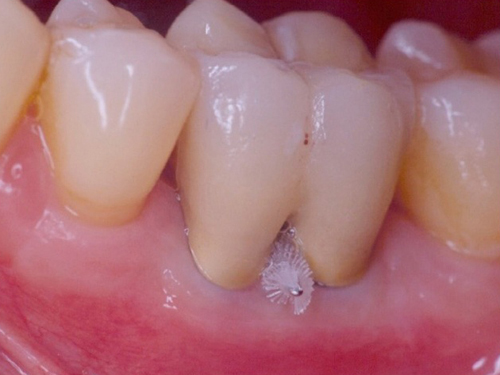
A furcation is a place where tooth roots separate because of gum disease. Only premolar and molar teeth have more than one root, so furcation only affects molar teeth. Furcation involvement is bone loss beneath the furcation, or where a tooth’s roots have separated. Bone loss or gum recession can make the furcation visible above the gumline, as shown in the picture to the right.

What Are the Effects of Furcation and Furcation Involvement?

Some effects of furcation and furcation involvement include the following:

Tooth furcation with an interdental brush in the furcation for cleaning

Tooth furcation with an interdental brush in the furcation for cleaning

  • Ten to twenty percent bone loss. Most of the bone around the tooth is still intact, enough to prevent tooth loss.
  • Plaque buildup. The furcation leaves space for plaque buildup, making it more challenging to keep the area clean.
  • Treatment intervention. A periodontist or dentist with advanced gum disease training will develop a treatment plan for cleaning a restoring your gum tissue. A dental hygienist will maintain the area during regular appointments. The hygienist will show you how to use an interdental brush to keep the place clean at home.

Is Your Root Canal Tooth at Risk?

Your description sounds like the root canal treatment on your tooth is still effective. Although root canal failure can occur, it is usually evident within the first two months after the procedure. After the tooth heals, it is no longer at risk.

Gum disease treatment is the priority for you. The risk of losing a tooth is low if you seek prompt treatment. Otherwise, gum disease can destroy teeth and the supporting bone. You are welcome to get a second opinion from another dentist. However, if your dentist does not have advanced training in gum disease treatment, schedule an appointment with a periodontist (gum, teeth, and bone specialist) immediately. When you schedule the appointment, you can ask to speak with the periodontist about your anxiety and options for sedation to keep you relaxed during treatment.


Baton Rouge dentist Dr. Steven Brooksher sponsors this post. Read about his education and training, and learn what he does to provide some of the best dental care in Baton Rouge.


Filed Under: Sedation Dentistry Tagged With: anxiety at dentist, bleeding gums, dental sedation, furcation, furcation involvement, gum disease, oozing gums, puffy gums, sedation, tooth furcation

Need Sedation Dentistry for Routine Care. Nitrous Isn’t Enough

Posted on March 27, 2023 by AllSmiles.

I need sedation for routine dental care, and now my new dentist says I need a root canal and four fillings. They gave me nitrous oxide for this past visit, but that’s all the dentist offers, and I will need more potent medication for a root canal and fillings. During Covid, my anxiety over other things increased my dental phobia. Last week I had my first dental appointment since 2019. Unfortunately, I was so concerned about seeing a dentist that I didn’t ask about the kinds of sedation the dentist offers. I can’t get through a root canal on nitrous alone. Should I ask the dentist for something stronger or switch to another dentist? Thank you. Wesley

Wesley,

Thank you for contacting Dentistry by Brooksher in Baton Rouge with your sedation dentistry question. Millions of patients have dental anxiety or phobia and want sedation for routine dental care.

Can You Ask Your Dentist to Increase the Sedation Level?

If you want to increase your sedation level for non-routine dental procedures, you can ask a dentist what levels of sedation they provide. Dentists who only offer nitrous oxide must have moderate-sedation training before administering oral conscious sedation.

According to the American Dental Association (ADA), a dentist must complete the following training to provide patients with moderate sedation:

  • A comprehensive moderate sedation training program that meets the ADA Guidelines for Teaching Pain Control and Sedation to Dentists and Dental Students, or
  • An advanced education program accredited by the Commission on Dental Accreditation that includes comprehensive and appropriate training to administer and manage moderate sedation according to ADA guidelines, and
  • Current Basic Life Support for Healthcare Providers certification, and
  • Current Advanced Cardiac Life Support (ACLS or equivalent) certification, or
  • An appropriate dental sedation/anesthesia emergency management course that matches the ACLS recertification requirements cycle

Schedule a Sedation Dentistry Consultation

Unfortunately, if a dentist only offers nitrous oxide and that is not enough for your anxiety level, you must find another dentist with training in moderate sedation. We recommend scheduling consultations with at least two dentists before you select a provider. The benefits of consultations include:

  • Getting acquainted with the dentist
  • Experiencing the office environment
  • Explaining your dental anxiety and triggers
  • Confirming that the dentist can meet your sedation requirements
  • Reviewing your dental history and discussing your treatment options

Best wishes, Wesley, for successful consultations and sedation care that allows you to relax and restore your oral health.

Baton Rouge dentist Dr. Steven Brooksher sponsors this post. Read about his education and training, and learn what he does to provide some of the best dental care in Baton Rouge.

Filed Under: Sedation Dentistry Tagged With: ask dentist for sedation, oral sedation dentistry, sedation dentistry, sedation dentistry moderate, sedation dentistry nitrous, sedation dentistry pills, sedation dentistry routine care

I Have a Hole in My Tooth and It Smells

Posted on February 10, 2023 by AllSmiles.

I have a hole up an upper molar tooth. I looked at a tooth chart online, and it is tooth #13, a second premolar. The tooth smells worse than it hurts, but I wonder if I can fill it or pull it. I have a lot of anxiety about medical and dental appointments. Even though I can expect some pain, it’s easier for me to do it myself than have someone else invading my mouth. Is the hole a cavity I can fill with something from the drugstore, or will I need to pull it? Thank you. Marv

Marv,

Thank you for contacting Dr. Brooksher’s office. He would need to examine and x-ray your tooth to determine the cause of the hole and recommend treatment.

Can You Fill a Hole in Your Tooth?

You should not attempt to fill a hole in your tooth. Your efforts will be temporary and may make the tooth worse. Also, if the tooth has a foul odor, it may be infected even if you do not feel pain.

Drugstore-bought fillings are temporary. Even if you try to fill your tooth with filling material sold in drugstores, it will temporarily fix your tooth.

Tooth decay may be the reason for a hole in your tooth. Without removing the infection, it can spread to other teeth or your bone.

Filling a savable tooth is better than removing it. Although filling your tooth won’t work, pulling creates more concerns. You may damage other teeth while pulling the one with a hole. Removing the tooth will cause nearby teeth to shift. Misalignment issues affect your smile and digestion. In the future, you may need braces to correct the misalignment.

How Can You Save a Tooth with a Hole in It?

A dentist can use root canal treatment to save a tooth with a hole. A gentle dentist can explain sedation options to help you relax during the procedure. You will not feel anything throughout treatment, including the numbing injections.

What happens during root canal treatment?

A hammock on the beach for information on relaxing with dental sedation when you have a hole in your tooth

Sedation relaxes you through dental procedures

A dentist will remove the decay and any infection and sanitize it. Afterward, the dentist will fill the tooth with a dental filler material. You may need a dental crown or a composite filling to protect the tooth.

We recommend looking for a gentle dentist who offers sedation. The dentist will explain what to expect from your treatment options. You can start with an exam, which will be comfortable and painless.


Dr. Steven Brooksher, a Baton Rouge accredited cosmetic dentist, sponsors this post. Request a consultation with Dr. Brooksher today.


Filed Under: Sedation Dentistry Tagged With: hole in tooth, hole in tooth extractioin, hole in tooth filling, hole in tooth root canal, root canal, sedation dentistry

How Many Bite Adjustments Before Dental Crowns Crack?

Posted on December 15, 2022 by AllSmiles.

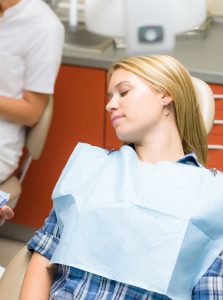
Mature man sitting on a couch with chin resting on his folded hands, portraying dental crown bite adjustment problemsHow many times can my dentist try to fix my bite before the crowns crack? I got six zirconia crowns in August, and my bite is still off. My dentist sent two crowns back, shaved the others, and still can’t get it right. Why is my bite still off? The situation is so stressful that I have begun chewing my tongue, which I have never done in my life. I cannot imagine needing new crowns. I don’t think I can take it emotionally. What is my dentist doing wrong? Thanks. Brad from Arlington, TX

Brad,

Thank you for contacting Dr. Brooksher’s office. We understand your frustration about your new dental crowns and an uncomfortable bite. Dr. Brooksher would need to examine your crowns to determine why your bite is off, but we will address your concerns.

Why Can’t Your Dentist Adjust Your Bite?

If a dentist cannot adjust your bite with new crowns, it could be due to a lack of training in occlusion and bite. A dentist must get post-graduate training to understand how to achieve harmony with your bite. Otherwise, the disruption can cause symptoms associated with TMJ disorder, including jaw pain or stiffness, neck pain, earaches, and headaches.

We recommend getting a second opinion because we are concerned that your dentist does not know how to correct your bite. Look for a dentist with advanced occlusion and bite training from a post-graduate institute, such as these:

  • The L.D. Pankey Institute in Florida
  • The Dawson Academy in Florida
  • Spear Education in Arizona

You can do a Google search for dentists in your city with occlusal and bite training or use the name of one of the institutes listed above when you search. It is not surprising that your situation is causing you to develop the habit of chewing your tongue.

Sedation for New Dental Crowns

A dentist will offer sedation based on your level of anxiety if you need new dental crowns. Explain how the concerns with the crowns have affected you, and your new cosmetic dentist will recommend sedation options to help you relax during treatment.

Dr. Steven Brooksher, a Baton Rouge accredited cosmetic dentist and founding member of the L.D. Pankey Alumni Study Club sponsors this post.

Filed Under: Sedation Dentistry Tagged With: bite is off new dental crowns, dentist can't adjust bite, dentist with occlusion bite training, multiple bite adjustments dental crowns, replace crowns, second opinon dental crowns, sedation dental crowns, sedation dentistry, zirconia crowns bite off

Should a Dentist Repair a Gold Onlay with Silver Filling?

Posted on September 28, 2022 by AllSmiles.

I’ve had a gold onlay for one of my molars for about 20 years. It is wearing out. My dentist wants to save as much gold as possible and fill the damaged portion with a silver filling. I don’t like amalgam. White fillings look better, and I’m into holistic care anyway. Why would he even suggest silver? I am already anxious, but this treatment recommendation is making things worse. Thanks. F. Turner  – San Jose

Dear F. Turner,

Thank you for your question. Dr. Brooksher would need to examine your tooth and onlay to determine the best way to preserve your tooth.

What Is a Gold Onlay?

A gold onlay is a custom tooth restoration that covers one or more cusps or points of a tooth. Unlike a dental crown, it does not cover the entire tooth. Did your dentist explain why he does not want to use composite in the tooth?

Should a Dentist Repair a Gold Onlay with Silver Filling?

Photo of woman sitting back in a dental chair with her eyes closed; for information on Baton Rouge sedation dentistry during tooth extraction.

Sedation can help you relax and get the dental care you need

Repairing the tooth with white composite filling is preferable to amalgam (often referred to as “silver”). If your dentist uses amalgam, two dissimilar metals would be in the same tooth, creating a slight electric current that could cause the amalgam to corrode faster than usual. Also, the gold will absorb some of the mercury from the amalgam.

A dentist who recommends amalgam might be uncomfortable placing composite fillings. Insisting on having composite fillings from the dentist may give you an undesirable result that needs to be replaced.

If you want composite fillings, find a cosmetic dentist who regularly uses them on back teeth. Call the office and ask if the dentist does many silver fillings. If the office representative says that the dentist does very few of them or does not use them, it is likely that the dentist is comfortable placing composite fillings on back teeth.

If your dentist is not answering your questions to your satisfaction, look for a skilled cosmetic dentist and request an exam. Tell the dentist about your anxiety and ask about sedation options.


Dr. Steven Brooksher, an accredited cosmetic dentist in Baton Rouge, sponsors this post.

Filed Under: Sedation Dentistry Tagged With: composite filling, cosmetic dentist second opinion, gold onlay, replace gold onlay, sedation dentistry, silver filling

Still Looking for a Dentist to Respect My Allergies and Reactions

Posted on August 31, 2022 by AllSmiles.

I have a lot of autoimmune issues going on, in addition to allergies. Joint pain is a big concern for me, and I notice that it worsens when I am exposed to certain chemicals. I went to a different state to get some thorough testing done and found out everything I am allergic to or have a chemical sensitivity to. I have cleaned my house from top to bottom and removed everything I reasonably could that is a trigger for my symptoms.

Now I am trying to address environmental issues and anything else that could affect me. Last night I looked at my schedule and saw that my 6-month dental checkup is due in late October. My dentist isn’t into the natural thing, so I am wondering about any dental treatment, the materials used in my mouth, and what kind of reaction it might be causing. I am not really interested in trying my dentist out again to figure out how I react and what I am reacting to. I am just going to start fresh and find a dentist who maybe is more up on treating patients with chemical sensitivities or allergies. I am not sure what I am looking for, but I did notice your site and the page for holistic dentistry. Is this a common specialty so that I could find a holistic dentist, maybe within 20 miles or so of my home? I have started searching already and didn’t get good results. I am becoming anxious about getting the care I need and wonder how if I can ever relax again at a dental appointment. Thanks. Reagan from NJ

Photo of a young woman relaxing in a hammock that is tied to palm trees on the beach; for information on Baton Rouge sedation dentistry from Dentistry by Brooksher.

Sedation dentistry creates relaxing experiences

Reagan – Holistic dentistry is not an official specialty that is recognized by the American Dental Association. There are dentists who avoid metal materials or who use biocompatible dental materials.

Do an Internet search for “holistic dentist” or “biological dentist” to find one in your area who will look for ways to give you dental treatment to which you are least sensitive. Some dentists recommend allergy testing to help identify your sensitivities.

Please do not be discouraged if you cannot find a holistic dentist within 20 miles of your residence. You may find a nearby dentist who is willing to work with you and, as much as possible, avoid materials that cause a reaction. Be patient with your search. You can also consider scheduling consultations with a few dentists who seem agreeable to treating you. Find out what each dentist will do to ensure your requests are respected to the extent possible. If your anxiety level escalates, ask the dentist about sedation options.

 Dr. Steven Brooksher, an accredited cosmetic dentist in Baton Rouge, sponsors this post.

Filed Under: Sedation Dentistry Tagged With: allergies dentist, allergy testing dentist, dental fear allergies, holistic dentist, reactions dentist

I Had a Panic Attack at the Dentist and Walked Out

Posted on August 29, 2022 by AllSmiles.

I am always nervous about the dentist, but last Wednesday was worse than ever. When I pulled into the parking lot, I started feeling nauseous. I thought about calling the office and telling them that I was in the parking lot but sick. For some reason, I decided to go in anyway. I felt woozy and sat down quickly. When the dental assistant called my name, I jumped up and walked out of the office.

I was supposed to talk to my dentist about implants for two missing upper molar teeth. But I had a panic attack in the waiting area and had to leave without seeing her. I called to apologize but did not reschedule. I don’t know what to do next. I am terrified that this is something that I won’t be able to cope with enough to get dental implants. I am embarrassed but do not want to start over with another dentist. Thanks. Malachi from TX

Malachi – Thank you for contacting Dr. Brooksher’s office. Millions of people have dental anxiety and skip appointments because of it.

You may need to start by addressing the reason for your anxiety. Past dental experiences that were emotionally or physically painful can cause anxiety. Also, consider whether your current dentist understands and sympathizes with your anxiety.

Dentists who welcome anxious patients will listen to your concerns and fears and address them. Frequent, clear communication may be enough to calm your fears. Some patients require sedation for dental appointments, and you may be one of them.

A beach hammock between palm trees portraying the relaxation of sedation dentistry

Sedation dentistry relaxes you during denal visits


We suggest that you start by speaking with your current dentist. If she does not understand your anxiety, look for another implant dentist. Schedule a consultation, explain your concerns, and ask what the dentist can do to help you relax. Ask friends for recommendations for dentists or search online for dentists who cater to anxious patients. We are confident that you will find a dentist to meet your needs.

Dr. Steven Brooker, a Baton Rouge Fellow of implant dentistry, sponsors this post. Dr. Brooksher is accredited by the International Congress of Oral Implantologists.

Filed Under: Sedation Dentistry Tagged With: afraid of dentist, bad dental experiences, dental implants, dental implants anxiety, nervous dental implants, panic attack, panic attack dental implants, panic attack dentist, sedation dentistry

  • 1
  • 2
  • 3
  • 4
  • Next Page »
Dr. Steven Brooksher, DDS., LLC
Meet
Dr. Brooksher

Dr. Brooksher is a past winner in the International Smile Gallery competition of the American Academy of Cosmetic Dentistry.

Meet Dr. Brooksher
Dr. Brooksher Smile Gallery
Gallery
of Smiles

Can you imagine yourself with one of these beautiful new smiles?

See the Gallery

Reviews

Slide 1

“I have horrible anxiety at dental offices. I have never been as comfortable as I am at Dr. Brooksher’s office. Everyone is really nice, accommodating, and understanding!”

Jay Alex

Slide 1 - copy

“Dr. Brooksher is humble, kind, funny, and easy to get along with. His staff is friendly, too! I have the utmost respect for his work. I've never been this comfortable going to the dentist.”

Christopher Jeffers

Slide 1 - copy - copy

“Dr. Brooksher came highly recommended by so many of my present and former coworkers. I've had fear of the dentist all my life and finally got the courage to go. I can now say for myself that he is the best—hands down.”

Patricia Madison Anthony

Slide 1 - copy - copy - copy

“Sometimes I feel that Dr. Brooksher and his staff care more about my teeth than I do. They are professional and prompt, so definitely be on time for your appointment!”

Brock George

Slide 1 - copy - copy - copy - copy

“I’ve been a patient at Dentistry by Brooksher for more than 15 years. They are always thorough and professional. Dr. Brooksher explains your options and the best treatment plans. He and his staff are a pleasure to deal with.”

Wilson Alvarez

contact
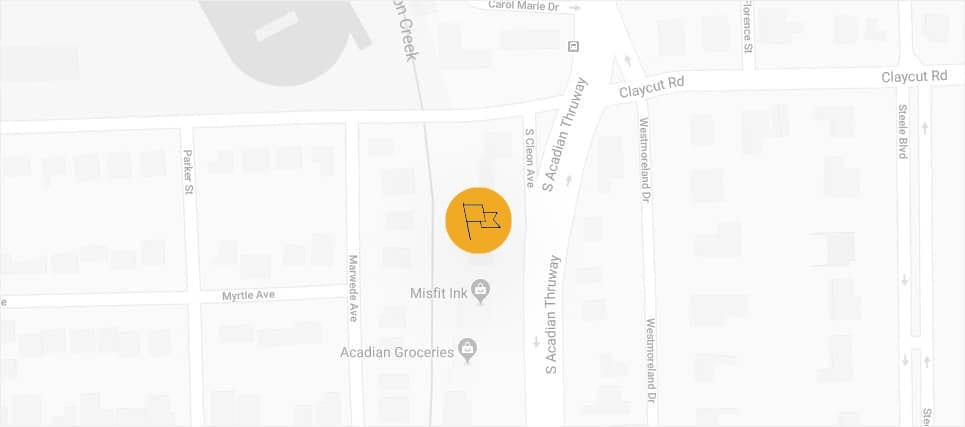
Map Too Brooksher Dental Office
Steven H. Brooksher, DDS, AAACD, FICOI
1010 South Acadian Thruway
Ste A
Baton Rouge, LA 70806

OFFICE HOURS Mon - 8:00 am - 5:00 pm
Tuesday - 7:00 am - 3:00 pm
Wed - 8:00 am - 5:00 pm
Thurs - 7:00 am - 3:00 pm

PHONE (225) 346-8625

Request an
Appointment
Dr. Steven Brooksher, DDS.
Address: Steven H. Brooksher, D.D.S., LLC
1010 South Acadian Thruway, Ste A
Baton Rouge, LA 70806
Phone: (225) 346-8625
Pay Online
REVIEW ME:
Office Hours: Mon - 8:00 am - 5:00 pm
Tuesday - 7:00 am - 3:00 pm
Wed - 8:00 am - 5:00 pm
Thurs - 7:00 am - 3:00 pm
  • Best Dentist in Baton Rouge
  • Blog
  • Baton Rouge Lumineers
  • Privacy Policy

©2015-2026 Steven H. Brooksher, D.D.S., LLC | Doing Business As: Dentistry By Brooksher • All rights reserved •

Website Design and SEO by Infinity Dental WebIDW logo

Mobile Menu Icon Dr. Steven Brooksher, DDS.
  • Home
  • About Us
    • Meet Dr. Brooksher
    • Meet Our Team
    • Your First Visit
    • Contact Us
    • What Makes Us Different?
    • Patient Forms
    • Financial Policies
    • Pay Online
    • Request an Appointment
  • Cosmetic Dentistry
    • Cosmetic Dentistry
    • Smile Gallery
    • Porcelain Veneers
    • Dental Bonding
    • Teeth Whitening
    • Smile Makeover
    • SmileFy Smile Design
    • Porcelain Crowns
  • Tooth Replacement
    • Dental Implants
    • Dental Implant Hybrids
    • Implant Overdentures
    • Dentures
  • Sedation
  • Other
    • Emergency Dentist
    • Metal-Free Dentist
    • Porcelain Crowns
    • TMJ Treatment