Dr. Steven Brooksher, DDS
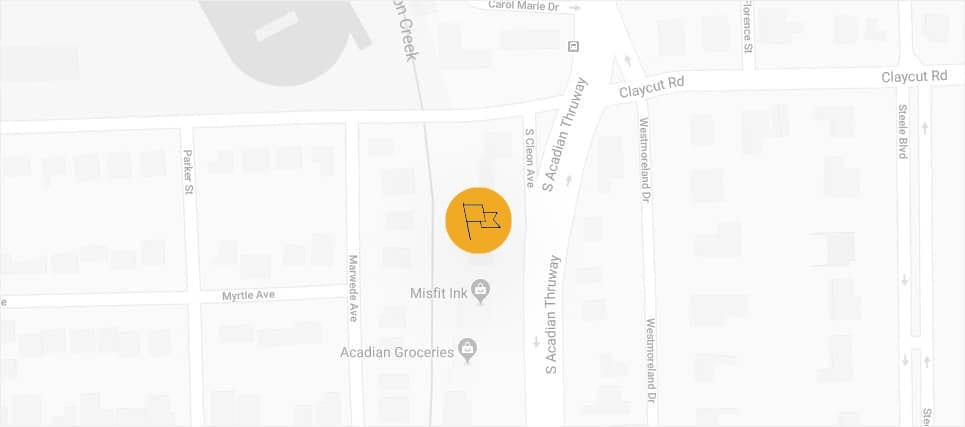
Address: 1010 South Acadian Thruway, Ste. A, Baton Rouge, LA 70806
  • Home
  • About Us
    • Meet Dr. Brooksher
    • Meet Our Team
    • Your First Visit
    • Contact Us
    • What Makes Us Different?
    • Patient Forms
    • Financial Policies
    • Pay Online
    • Request an Appointment
  • Cosmetic Dentistry
    • Cosmetic Dentistry
    • Smile Gallery
    • Porcelain Veneers
    • Dental Bonding
    • Teeth Whitening
    • Smile Makeover
    • SmileFy Smile Design
    • Porcelain Crowns
Call us: (225) 346-8625
  • Tooth Replacement
    • Dental Implants
    • Dental Implant Hybrids
    • Implant Overdentures
    • Dentures
  • Sedation
  • Other
    • Emergency Dentist
    • Metal-Free Dentist
    • Porcelain Crowns
    • TMJ Treatment
Life-changing dentistry

Complete dental care, from checkups and cleanings to complex restorative dentistry and life-changing smile makeovers.

Request an
Appointment

My dentist can’t match my crown to my veneers

Posted on March 15, 2021 by AllSmiles.

I love my dentist, but she can’t seem to get my crown to match my veneers. The crown is whiter than the veneers. Is this a challenging job that I should ask another dentist to complete, or should I let her keep trying? My dentist must sedate me every time she tries to get this right. And I am getting embarrassed because I can’t take a minor procedure without sedation. I just want this to be over. Thank you. Vivian


Vivian,

Many family dentists find it a challenge to match crowns and veneers. Some even have trouble matching crown color to natural teeth.

Porcelain is translucent like tooth enamel, so it looks natural. But porcelain crowns are several times thicker than porcelain veneers. If your teeth are dark, the color will show through more on porcelain veneers than with your crown.

A skilled cosmetic dentist and ceramist can achieve a match with the porcelain or by applying opaque to your teeth before sending your case to the lab.

Adding opaquers to porcelain

If your crown is translucent, your veneers must be opaqued to appear equally translucent. This technique requires skill and good communication between your dentist and the laboratory. Your dentist must take photos of your prepared teeth or record details about their color for the lab to produce accurate results. Dental laboratories that specialize in aesthetics can do this well.

Adding opaquers to your tooth

Your dentist can apply opaquers to your tooth and achieve a color match with these steps:

  • Shave the dark teeth a little
  • Apply an opaque layer of composite on each tooth
  • Create a translucent effect with the porcelain
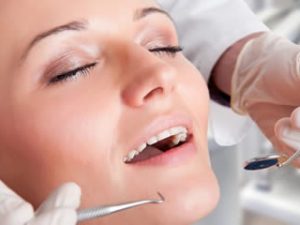
Face of a woman relaxed during dental treatment for information on sedation dentistry from Dr. Brooksher of Baton Rouge

Sedation can decrease your time in the dental chair or help your dentist accomplish more work

The composite and porcelain veneer luting cement will bond chemically for a strong, natural-looking result.

We understand your concerns about anxiety and the need for sedation. But if you cannot relax during the procedure, it can interfere with the cosmetic dentist’s work and lengthen your time in the dental chair. Getting a second opinion from a dentist with post-graduate cosmetic dentistry training is to your advantage. It can minimize the treatment time needed to match your crown and veneers.

Steven Brooksher, DDS, is a cosmetic dentist in Baton Rouge, LA. Read about his credentials and visit his smile gallery.


Filed Under: Sedation Dentistry Tagged With: add opaquers to crowns, add opaquers to tooth, add opaquers to veneers, Baton Rouge dentist smile gallery, Baton Rouge sedation dentistry, crowns and veneers do not match, dental crowns don't match, porcelain crowns sedation, porcelain veneers sedation, veneers don't match

When will jaw numbness after wisdom tooth extraction go away?

Posted on January 28, 2021 by AllSmiles.

A week after getting all my wisdom teeth extracted, the lower left side of my jaw still felt numb. Three days ago, the oral surgeon did sensation tests. I will return in two weeks for a follow-up appointment.

The numbness is causing problems when I eat and brush my teeth. Did the IV sedation affect my jaw nerve? Is there anything else I can do to improve the situation? Is this common, or should I be more concerned than the oral surgeon seems to be? – Thank you. Tiffany P. from Athens, GA

Tiffany,

Thank you for your inquiry. Your description sounds like your lower-left jaw nerve is damaged. The extent of the damage determines how much the nerve will recover.

Nerve Damage with Wisdom Tooth Removal

Nerve damage can occur with wisdom teeth removal because the nerve for your lower teeth and lip is close to your wisdom tooth roots. During wisdom tooth removal, the nerve can be damaged. But the damage is not related to receiving sedation to help you relax before the procedure. Before surgery, an oral surgeon should do the following:

  • X-ray your teeth and jawbone to see the location of the nerve
  • Notify you of the risk of damaging the nerve during wisdom teeth removal

Many surgeons overestimate the risk of nerve damage to protect themselves from possible lawsuits.

Categories of Nerve Injury During Wisdom Tooth Removal

The three categories of nerve injury during wisdom tooth removal have different results:

Photo of woman sitting back in a dental chair with her eyes closed; for information on Baton Rouge sedation dentistry during tooth extraction.

Sedation relaxes you during tooth extraction but does not cause lingering jaw numbness

  • Bruised – You will feel numbness for about a month, after which the feeling will return.
  • Crushed – Symptoms last about a year as new nerve fibers grow.
  • Severed – Permanent injury prevents nerve fibers from regrowing, and you will continue to experience symptoms.

What to Expect

  • Depending on the extent of damage to the nerve in your jaw, you may not see improvement when you return to your oral surgeon for a checkup.
  • It may take a month or up to a year for improvement. If the nerve can recover, you will begin to feel tingling in your lip as it heals.
  • Some patients say that their body adjusts to the numbness and symptoms become less intense even with a severed nerve.

Although there isn’t anything you can do to repair the nerve, try to be patient as you wait for signs of improvement. Your oral surgeon can advise you on how much progress you might expect to feel over the next few months.


Steven Brooksher, DDS, of Baton Rouge, sponsors this post.

Filed Under: Sedation Dentistry Tagged With: mandibular nerve, secation tooth extraction, sedation dentistry, sedation wisdom teeth extraction, tooth extraction jaw numbness, tooth extraction nerve bruised, tooth extraction nerve crushed, tooth extraction nerve damage, tooth extraction nerve severed, tooth extraction numb lip, wisdom tooth extraction, wisdom tooth extraction jaw numb

My zirconia crowns don’t match after a second try

Posted on December 7, 2020 by AllSmiles.

In September, my dentist placed four new zirconia crowns on my upper front teeth. The crowns don’t match the shape of my natural teeth. They look like they would not match the shape of anyone’s natural teeth. My mistake was to ask my dentist to do the work. He said he could do it for $600 – $800 less than other dentists because I am an existing patient.  Thank you, Ada

Ada,

My dentist agrees that my teeth do not look natural, so he referred me to a prosthodontist to correct the issue. Now the shape of my teeth is okay, but the color is off. I made the mistake of asking for sedation before I saw the crowns. The prosthodontist cemented the crowns without me getting a non-sedated look at them. I am angry and frustrated. He said he will change the color if I pay for it. Why should I pay for teeth that look gray? Isn’t a prosthodontist a specialist?

It’s unfortunate to know you’ve had two bad experiences with dentists who can’t give you natural-looking results with crowns.

Your dentist should take responsibility to correct your smile in the best way possible instead of referring you to a prosthodontist. Although prosthodontists have two to three years of training in restoring teeth, few are artists in cosmetic dentistry. They can get the technical details and function correctly, but the aesthetics are often lacking. But an excellent cosmetic dentist is concerned about the details that make your smile look natural. And they don’t bond the work to your teeth unless you love the way it looks.

Zirconia crowns for front teeth

Although a dentist can give you zirconia crowns on your front teeth, it takes advanced cosmetic dentistry training to make the crowns look natural.

  • Zirconia crowns are made from a block – A dental lab tech makes zirconia crowns from blocks and mills them into shape to fit over your tooth. But a zirconia block has one color throughout it. Your natural teeth have variations in color and translucence.
  • Porcelain layers can make zirconia look natural – A zirconia crown cannot recreate the look of your tooth unless a ceramist bakes porcelain onto the surface and manipulates the color.

Sedation for dental crowns

Face of a woman relaxed during dental treatment for information on sedation dentistry from Dr. Brooksher of Baton Rouge

Try on temporary crowns before receiving sedation dentistry

If you need sedation when your crowns are cemented, your dentist can create temporary crowns first. If you like the temporary crowns, a dental ceramist can duplicate them when making your permanent restorations. Before you are sedated for the final crowns, at least you know you approved them.

What’s Next?

Our recommendations are below:

  • Discontinue treatment – Don’t let the prosthodontist do any more work on your teeth. He isn’t interested in giving you crowns that you love.
  • Ask for a refund – Depending on the extent of color mismatch in your crowns, you may only receive a partial refund.
  • Look for an advanced cosmetic dentist – Don’t rely on a referral. Look for a dentist with credentials (accreditation, at least) from the American Academy of Cosmetic Dentistry or the American Academy of Dental Aesthetics.


Steven Brooksher, DDS, is a cosmetic and implant dentist in Baton Rouge, LA. Read about his credentials and visit his smile gallery.

Filed Under: Sedation Dentistry Tagged With: dental crowns don't match, dentist referral prosthodontist, prosthodontist, refund from dentist, sedation dentistry, sedation dentistry crowns, zirconia crowns, zirconia crowns baked porcelain, zirconia crowns wrong color

Do zirconia crowns cause a dry tongue?

Posted on November 30, 2020 by AllSmiles.

I think I need to switch to a holistic dentist. After I received three new zirconia crowns in July, my tongue is dry, my throat burns, and my voice is hoarse. I think I am allergic to the crowns, but my dentist says that zirconia crowns don’t cause a reaction. He advised me to see an ENT because of the issue with my throat, but the ENT said that he doesn’t see anything that’s causing the burning sensation. My sinuses are okay. I also went to a gastro doctor who ruled out reflux. I guess that I will get allergy testing next.

My other concern is about my options after removing the zirconia crowns. I feel safer with a new dentist, and as I mentioned, a holistic dentist. Besides, when my dentist installed the crowns, he used so much water that I felt like I was drowning. I threw up some of the water. I read online about a few other people whose dentist used so much water that it was overwhelming. What are my options other than zirconia crowns? Thank you, Isaiah from Maryland

Isaiah,

Your experience with getting zirconia crowns sounds stressful. We disagree with telling a patient that they can’t be allergic to a specific dental material. Each person has unique circumstances, and immune systems can be unpredictable, even if you have no known allergies.

You visited multiple specialists to identify the cause of your burning throat and dry tongue but still don’t have a diagnosis. We are considering another possibility—burning mouth syndrome.

What Is Burning Mouth Syndrome?

Burning mouth syndrome is a condition characterized by a burning sensation in your mouth or on your lips or tongue. It can also cause your tongue or mouth to feel dry. Symptoms can linger for days or months. Women are five times more likely than men to experience the symptoms.

What Causes Burning Mouth Syndrome?

Damage to pain and taste nerves is the suspected cause of burning mouth syndrome. Other possible causes include:

  • Allergic reaction
  • Nutritional deficiencies
  • Certain medications
  • Medical conditions, including reflux, endocrine disorders, and fungal infections
  • Anxiety, depression, or stress

Allergy Testing

Photo of woman sitting back in a dental chair with her eyes closed; for information on Baton Rouge sedation dentistry during tooth extraction.

Sedation can help you relax and change your view about dental visits

A dentist who offers holistic—or biological—treatment can help you find resources for Clifford Materials Reactivity Testing. The testing will reveal if you have an allergy or sensitivity to any dental materials, including zirconia.

But if your allergy tests are negative, consider the possibility that your stressful dental experience triggered burning mouth syndrome.

Your new dentist can explain your treatment options for metal-free crowns and how sedation can help you relax during your appointment and help you get the treatment you need. If you don’t have allergies or sensitivities, your anxiety and discomfort may improve as you develop trust and confidence in a new dentist.


Steven Brooksher, DDS, of Baton Rouge, sponsors this post.


Filed Under: Sedation Dentistry Tagged With: biological dentist, burning mouth zirconia crowns, dental allergy, dry tongue zirconia crowns, holistic dentist, metal sensitivity dentist, sedation dentistry, zirconia crowns

A well-known dentist messed up her smile

Posted on September 30, 2020 by AllSmiles.

In 2014, I received a crown for my right center front tooth. My dentist got the color and the size of the crown wrong. A friend told me about a well-known dentist who replaced my crown in June 2019, but the crown looked gray. He did a second crown, and the color was better, but the tooth was noticeably too long. The second dentist told me that I needed Invisalign, which he provided. My treatment is complete. Now I have a gap between my front teeth. But I also have anxiety now, which has never been an issue. In August, I scheduled an appointment for a third opinion and planned to get an exam, but I was so anxious that the dentist told me to reschedule the appointment when I have time for sedation.

Last month I had two consultations with two more dentists. When I mentioned the second dentist’s name, who left the gap between my teeth, they were skeptical about my report of what happened. I am beginning to think that I need to leave town to find another dentist to correct my smile. Am I too picky? Thanks. Daina from MS

Daina,

We’re sorry that you’ve had two negative experiences and that they led to dental anxiety. Although your second dentist is well-known, it doesn’t mean that he’s a talented, artistic cosmetic dentist who produces beautiful results.

Although most dental schools, the American Dental Association, and many reputable dentists have a negative view of cosmetic dentists, there is an art to producing beautiful smiles. Read the Wikipedia article about cosmetic dentistry. It’s written by someone with an academic mindset who has a condescending attitude about cosmetic dentistry.

We’ve seen many stories like yours. A patient doesn’t like the dentist’s work because their teeth are too white and look fake, but the dentist insists everything is fine. The dentist devalues the patient’s opinion of their smile.

But great cosmetic dentists are sensitive to the patient’s smile and self-perception. If a patient has reservations about their smile, the cosmetic dentist considers the case a failure. And the dentist will redo it.

Photo of woman sitting back in a dental chair with her eyes closed; for information on Baton Rouge sedation dentistry during tooth extraction.

Sedation dentists are empathetic toward patients with dental anxiety

A well-known dentist with an excellent reputation might have great mechanical techniques but be unfit for appearance-related dentistry. Real cosmetic dentists often aren’t the most valued and prominent dentists in the community.

You’re not too picky. Your smile affects your confidence. So, find a cosmetic dentist who respects that. Look for a dentist who is a member of and has credentials from the American Academy of Cosmetic Dentistry. You’ll find a dentist who is an artist, who will accommodate your dental anxiety with sedation options, and who will regain your trust. And a true cosmetic dentist will give you your ideal smile.

Steven Brooksher, DDS, an accredited cosmetic dentist in Baton Rouge, LA, sponsors this post.

Filed Under: Sedation Dentistry Tagged With: american academy cosmetic dentistry baton rouge, Baton Rouge AACD dentist, Baton Rouge accredited cosmetic dentist, dental crown too long, dental crown wrong color, gray dental crown, replace dental crown, reputable dentist bad work, second opinon dental crown

Depressed and discouraged about my teeth

Posted on August 3, 2020 by AllSmiles.

I’m depressed about my teeth. I need advice from someone who cares. At a young age, I started having extreme problems with my teeth because our family was poor and rarely had insurance. My teeth were crooked and bucked. I also had lots of cavities and toothaches.

As a teenager, I had several root canals. Dentists who didn’t care did much of the work. One dentist started a root canal on a front right tooth but didn’t complete it because we lost our insurance and couldn’t afford it. There was a hole in the back of the tooth, and the tooth eventually turned gray and broke in half. I was 19 years old, had no money, and had a broken front tooth. It was devastating for my self-esteem.

I found another dentist within 12 miles of our house, and I rode the bus to the office and cried to him about my teeth. He agreed to help me. My front teeth were crooked, so the dentist did a bridge to replace the broken tooth and make the crookened ones look better.

When I got married at age 25, we finally had insurance. There were so many issues with my teeth that it was challenging to keep up with them. My left front tooth became abscessed, so the dentist did a new bridge that extended from one eye tooth to the other. Then two years later, I needed a bottom ridge. Between that, I still needed root canals and crowns.

Last year, a toothache in a bottom left tooth started to become intense. Another dentist was filling in for my regular dentist, and she said that an abscess was forming on a tooth that had a root canal, and I had a sinus infection. She gave me antibiotics and referred me to an endodontist. The endodontist said that he didn’t see a problem. I returned to my dentist, who agreed that she couldn’t find anything wrong. Sounds suspicious, right?

I still have a toothache in the bottom left tooth. Sometimes the pain is intense but goes away. I didn’t have any pain throughout the winter, and then it came back about three weeks ago. I felt like I had an earache, so I went to my primary care doctor. She examined my ear and said it’s okay. My husband recently lost his job, so we received help from the state and state-sponsored insurance. It’s so difficult to find a dentist who cares.

I finally found a dentist who saw me for less than ten minutes and said I have TMJ. He said that I needed a $400 mouthguard, and other than that, there was nothing he can do. Although I might have TMJ, I have a failed root canal that no dentist can find. I’m convinced that one dentist saw the problem, and the rest either can’t see or don’t want to be bothered.

The pain feels like a horrible earache that extended into my jaw, throat, and chest. Sometimes I feel stabbing pain. I don’t have a fever, and my primary care doctor said that my bloodwork shows ho sign of infection. I’m depressed and worried about what can happen if a dentist isn’t able to find the infection. On top of that, I’m embarrassed to smile. At 35 years old, I have missing, chipped, and cracked teeth that look terrible. And the two bridges look like someone set them in my mouth without trying to make them look halfway natural. I’ve thought about taking the bridges out, but I’m afraid of damaging my teeth and being toothless.

I’ve also thought about dentures, but my husband and friends say that’s a bad idea because it would cause even more problems. I’m sorry for emptying my life’s story on you, but I almost feel hopeless. I was so happy when I found Dr. Brooksher’s website. I’ve looked at most of the pages on it, and it seems like your office cares about people and how they feel about their teeth. Do you think I should get my teeth all pulled out and accept whatever happens? Thanks for your help. Ryleigh from MS


Ryleigh,

Like you, many people have teeth that seem to fall apart faster than a dentist can restore them. We know it’s discouraging to you, but it also concerns a dentist who cares. Although some dentists don’t care, many of them do. They are not dentists for the money; they became dentists to help people.

From your description, it seems that you’ve seen dentists who care but are also discouraged by seeing your situation. Some might judge your situation and think that your oral health condition means that you don’t care, so they might not care either. We are confident that you can find and understanding dentist who is willing to help you without extracting all your teeth and giving you dentures. What can you do to improve your oral health and find a dentist to help?

Stop the Cycle of Tooth Decay

Practicing good oral hygiene is one step in preventing tooth decay. But other factors can help.

  • Toothbrushing – Although many people think that toothbrushing is the best way to prevent tooth decay, toothbrushing only cleans the smooth surfaces of teeth. It doesn’t clean cracks, crevices, contact points, and other areas that are vulnerable to decay. Liming what you eat, discussed below, prevents decay more than toothbrushing does.
  • Flossing – Multiple scientific studies show that flossing helps prevent gum disease and interproximal (between the teeth) decay.
  • Saliva – The greatest defense is in your saliva. Saliva contains decay-fighting antibodies and remineralizes small spots of decay in teeth. If you strictly limit the number of times you eat each day, it will maximize your saliva’s effectiveness.

Limit What You Eat

Limit eating to three times a day—three main meals and two snacks. Brush your teeth two to three times a day, and floss between your teeth before bedtime. Limiting how often you eat daily gives saliva time to repair the small spots where decay begins. Most people who reduce the number of times they eat daily also reduce the number of cavities and their growth rate. People who are strict about it can be cavity free eventually.

What’s Next?

Photo of woman sitting back in a dental chair with her eyes closed; for information on Baton Rouge sedation dentistry during tooth extraction.

Sedation dentists are often empathetic toward patients with poor oral health

Don’t give up.  Keep looking for a dentist. Call offices and ask if you can get an office tour or meet the staff and dentist. When you find an office and dentist that makes you feel comfortable and isn’t overwhelmed by your oral situation, start a treatment program with them.

Find a dentist who will try to save—not extract—your teeth. And keep as many teeth as possible. Bone shrinks where teeth are missing. And the only way to prevent shrinkage is by replacing the missing tooth with a dental implant. Keep in mind that dentists who do a lot of sedation dentistry are used to seeing people with “bombed-out mouths” and tend to be more empathetic.

Steven Brooksher, DDS, of Baton Rouge sponsors this post.
Filed Under: Sedation Dentistry Tagged With: all my teeth are bad, bottom molar toothache, dental bridge front teeth, depressed about my teeth, discouraged about my teeth, extract teeth and get dentures, how to avoid cavities, multiple root canals, prevent tooth decay, sedation dentistry, snacking tooth decay, stop tooth decay, tmj, tmj mouthguard

What Can You Do If You Don’t Trust a Dentist’s Air Test on Your Tooth?

Posted on May 31, 2020 by AllSmiles.

One of my upper left molars has a large filling. Within the past 3 months, it’s been increasingly sensitive to heat, cold, and air. I was trying to delay seeing my dentist, but the pain is getting intense. I went to the dentist last week, and she used a dental tool to blow air on my teeth in different areas. She applied what felt like a gel on the tooth. She said that if my pain continued, she would need to remove the tooth nerve.

I’m concerned that the issue might be related to my braces. There is also a hole in the filling in that tooth. Is this nerve removal like root canal treatment? If so, I’m trying to avoid another root canal. I had a root canal 6 years ago, and the dentist who did it dug around in my tooth so harshly that it hurt for weeks. I don’t think I can take another one without being knocked out. Is an air test enough to give me an accurate diagnosis? I don’t understand. Thanks. Olivia from TX


Olivia,

Thanks for contacting our office with your question.

What an Air Test on Your Tooth Reveals

Photo of woman sitting back in a dental chair with her eyes closed; for information on Baton Rouge sedation dentistry during tooth extraction.

Sedation dentistry helps you relax during procedures

The test your dentist performed by blowing air on your tooth is a legitimate way of diagnosing tooth pain.

  • Blow air on a tooth and it hurts – An unprotected sensitive spot is causing the pain. Your dentist can coat the tooth with a bonding agent that desensitizes the tooth nerve.
  • Pain that immediately goes away – The tooth pulp or nerve is irritated and may heal
  • Lingering pain – If pain lingers longer than a few seconds, the irritation of the nerve or tooth pulp is permanent. Your dentist will need to perform root canal treatment.

Your dentist can also test your tooth with electrical impulses, cold, or heat depending on your description of the pain or discomfort.

Are Braces or a Filling Causing the Problem?

Braces – Dr. Brooksher would need to examine your teeth and braces to determine if braces are causing some of the sensitivity.

A filling – If a filling is old, damaged, or leaking, decay can get beneath it and irritate your tooth nerve or pulp.

Ask Your Dentist for an Explanation

Call your dentist’s office and ask to speak with her. If she isn’t willing to answer your questions about the cause of your tooth pain and why she suggests root canal treatment, you can get a second opinion.. Even if you need sedation for dental procedures, if you don’t trust your dentist, you can still have doubts and anxiety.

Ensure your questions are answered before you agree to any treatment. But don’t delay the process. A lingering tooth infection will get worse and become more complicated to treat.

Steven Brooksher, DDS a cosmetic dentist in Baton Rouge, LA, sponsors this post.

Filed Under: Sedation Dentistry Tagged With: air test on tooth, braces tooth sensitivity, don't trust my dentist, root cancal sedation dentistry, tooth sensitive to air, tooth sensitive to cold, tooth sensitive to heat, tooth sensitivity

Why Didn’t Her Dentist See Decay Beneath Her Porcelain Crown?

Posted on February 6, 2020 by AllSmiles.

I received two dental crowns in 2012. One of the top molar crowns has a cavity beneath it. I had been complaining to my dentist about it on and off or about two years. After my checkup two weeks ago, she said the x-ray shows a cavity. I guess that I shouldn’t have waited to see another dentist about my tooth sensitivity and dull pain. But I’m nervous about dental appointments. How can a cavity develop beneath a crown? Karissa from Macon, GA

Karissa,

You’ve had your crowns for eight years. Usually, a dentist won’t find decay beneath your crown within that period. But there are two reasons that decay might develop.

Two Reasons for Decay Beneath a Dental Crown

Your dental history – If you have a history of cavities, it might not be surprising that there is decay beneath a dental crown.

Your dentist’s placement of the crown – A dentist must ensure that the margin—where your crown and tooth meet—is smooth and without gaps. Any roughness or gaps will attract plaque, bacteria, and decay. If decay isn’t noticed and treated during your dental exams and cleaning, the decay will progress and result in the symptoms you’re feeling—sensitivity and pain.

After your completed complaints about the crown, your dentist should have completed a thorough examination and x-rays without delay. Don’t let your dentist’s delay discourage you. Get prompt care.

How Long Do Dental Crowns Last?

Although insurance companies won’t pay for a replacement crown that is fewer than five years old, most dentists expect a crown to last longer. And conscientious dentists are embarrassed if decay is found beneath a crown they placed.

We recommend that you find an advanced cosmetic dentist in your area to examine your tooth and crown. The extent of the decay will determine your treatment option. But you should seek prompt care to receive the least invasive treatment options possible.

Take Advantage of Sedation Dentistry

Photo of woman sitting back in a dental chair with her eyes closed; for information on Baton Rouge sedation dentistry during tooth extraction.

Take advantage of dental sedation and take care of your teeth

If you’re nervous about dental appointments, you may have received sedation in the past. Don’t be embarrassed about your anxiety. Take advantage of sedation options and let an advanced cosmetic dentist help you preserve your oral health.

Steven Brooksher, DDS is a cosmetic dentist in Baton Rouge, LA. Read about his credentials and visit his smile gallery. It will give you ideas on what to look for in a dentist in your area.

Filed Under: Sedation Dentistry Tagged With: decay beneath crown, dental crown sensitive, dental crwon hurts, how long do porcelain crowns last, second opinion crown, second opionion dentist, sedation dental crown, sedationdentistry

Why Do My Shots Hurt So Much?

Posted on December 15, 2019 by ecrabtree.

Hello there,

I had a cavity filled and my dentist tried to numb me with anesthetic. However, the shot hurt horribly. I’m sensitive to shots. The next time I needed numbing, I asked him to be gentle when giving it, but he ignored my request, and the shot hurt just as bad as before.

I have to get another filling but I am hesitant to go back to this dentist. It hurts too much. Can I do something before my appointment to make it hurt less? Or is there a way to get him to be more gentle this time around?

Connor, from Detroit, Michigan


Hi Connor,

When you asked your dentist the first time to be more gentle, he should have listened to you instead of ignoring you. Sometimes dentists get stuck in their ways. However, dentists need to maintain a good level of bedside manner in order to gain the patient’s trust, so he was in the wrong here.

One way to decrease the pain associated with the shot is to ask the dentist to use numbing gel. Leaving numbing gel on the gums first can help. Also, the dentist should administer the shot slowly instead of quickly. Doing it slowly allows the body to absorb the medicine better; doing it fast can cause bubbling at the injection site, or stretching of the skin.

If you are sensitive to shots, it may be because of the nerves in your jaw. Everyone’s bodies are different, and your dentist is administering the shoot where it is most likely to be effective. However, while this may cause no pain for most people, if your facial nerves are near the injection site, it will hurt you a lot more than it would otherwise. The dentist cannot control where your facial nerves are, so if this is the case, you may want to look for a gentle dentist or sedation dentist.

A cosmetic dentist who practices gentle or sedation dentistry will listen to your concerns. They will have a much more improved bedside manner than your current dentist. To have your sensitivities addressed, you may want to seek a different dentist.

This blog post is brought to you by Baton Rouge sedation dentist, Dr. Steven Brooksher, of Dentistry by Brooksher.

Filed Under: Sedation Dentistry Tagged With: bedside manner, composite filling, dental anxiety, dental coward, general dentist, local anesthetic, metal-free dentistry, nitrous oxide, Novocaine won't numb, second opinion

Novocain Doesn’t Make Me Numb?

Posted on November 8, 2019 by ecrabtree.

Hello there,

My teeth are in need of a root canal due to nerve damage and nerve damage. My dentist injected me with Novocain, and it did not work. He injected me again and again, and I still could not get numb. Because of that, he sent me home with some painkillers. I cannot get a root canal done unless my teeth can be numbed. Would a numbing paste work? Is there something I can do? Or is there something wrong with me?

Luther, from Huntington, West Virginia


Hi Luther,

It is not a problem with you, with some modifications you can get your teeth to get numb. Your problem is likely related to dental anxiety. The higher your anxiety, the less likely you are to get numb, and the more numbing agent that is needed. If you can lower your anxiety, you will be able to get numb with Novocaine or a numbing paste.

One way to help your dental anxiety will be to go to a sedation dentist. A sedation dentist can write you a script for an anti-anxiety medication to take thirty minutes to an hour prior to your appointment. However, you will need a ride to and from the appointment if you take this medication.

If you do not want to take an anti-anxiety pill, you can find a dentist who uses nitrous oxide. Nitrous oxide wears off quickly after the appointment, and has no ill side effects. It also is more effective at numbing and sedation than novocaine, and is a good alternative for those with dental anxiety who cannot be numbed any other way.

If your current dentist does not offer sedation dentistry, you can seek it elsewhere. If you continue to see your dentist, using techniques to control your anxiety will allow you to finally become numb enough to get your root canal.

This blog post is brought to you by Baton Rouge sedation dentist, Dr. Steven Brooksher, of Dentistry by Brooksher.

Filed Under: Sedation Dentistry Tagged With: anti-anxiety medication, dental anxiety, nitrous oxide, novocaine, Novocaine won't numb, numbing paste, root canal, sedation dentistry

  • « Previous Page
  • 1
  • 2
  • 3
  • 4
  • Next Page »
Dr. Steven Brooksher, DDS., LLC
Meet
Dr. Brooksher

Dr. Brooksher is a past winner in the International Smile Gallery competition of the American Academy of Cosmetic Dentistry.

Meet Dr. Brooksher
Dr. Brooksher Smile Gallery
Gallery
of Smiles

Can you imagine yourself with one of these beautiful new smiles?

See the Gallery

Reviews

Slide 1

“I have horrible anxiety at dental offices. I have never been as comfortable as I am at Dr. Brooksher’s office. Everyone is really nice, accommodating, and understanding!”

Jay Alex

Slide 1 - copy

“Dr. Brooksher is humble, kind, funny, and easy to get along with. His staff is friendly, too! I have the utmost respect for his work. I've never been this comfortable going to the dentist.”

Christopher Jeffers

Slide 1 - copy - copy

“Dr. Brooksher came highly recommended by so many of my present and former coworkers. I've had fear of the dentist all my life and finally got the courage to go. I can now say for myself that he is the best—hands down.”

Patricia Madison Anthony

Slide 1 - copy - copy - copy

“Sometimes I feel that Dr. Brooksher and his staff care more about my teeth than I do. They are professional and prompt, so definitely be on time for your appointment!”

Brock George

Slide 1 - copy - copy - copy - copy

“I’ve been a patient at Dentistry by Brooksher for more than 15 years. They are always thorough and professional. Dr. Brooksher explains your options and the best treatment plans. He and his staff are a pleasure to deal with.”

Wilson Alvarez

contact
Map Too Brooksher Dental Office
Steven H. Brooksher, DDS, AAACD, FICOI
1010 South Acadian Thruway
Ste A
Baton Rouge, LA 70806

OFFICE HOURS Mon - 8:00 am - 5:00 pm
Tuesday - 7:00 am - 3:00 pm
Wed - 8:00 am - 5:00 pm
Thurs - 7:00 am - 3:00 pm

PHONE (225) 346-8625

Request an
Appointment
Dr. Steven Brooksher, DDS.
Address: Steven H. Brooksher, D.D.S., LLC
1010 South Acadian Thruway, Ste A
Baton Rouge, LA 70806
Phone: (225) 346-8625
Pay Online
REVIEW ME:
Office Hours: Mon - 8:00 am - 5:00 pm
Tuesday - 7:00 am - 3:00 pm
Wed - 8:00 am - 5:00 pm
Thurs - 7:00 am - 3:00 pm
  • Best Dentist in Baton Rouge
  • Blog
  • Baton Rouge Lumineers
  • Privacy Policy

©2015-2026 Steven H. Brooksher, D.D.S., LLC | Doing Business As: Dentistry By Brooksher • All rights reserved •

Website Design and SEO by Infinity Dental WebIDW logo

Mobile Menu Icon Dr. Steven Brooksher, DDS.
  • Home
  • About Us
    • Meet Dr. Brooksher
    • Meet Our Team
    • Your First Visit
    • Contact Us
    • What Makes Us Different?
    • Patient Forms
    • Financial Policies
    • Pay Online
    • Request an Appointment
  • Cosmetic Dentistry
    • Cosmetic Dentistry
    • Smile Gallery
    • Porcelain Veneers
    • Dental Bonding
    • Teeth Whitening
    • Smile Makeover
    • SmileFy Smile Design
    • Porcelain Crowns
  • Tooth Replacement
    • Dental Implants
    • Dental Implant Hybrids
    • Implant Overdentures
    • Dentures
  • Sedation
  • Other
    • Emergency Dentist
    • Metal-Free Dentist
    • Porcelain Crowns
    • TMJ Treatment